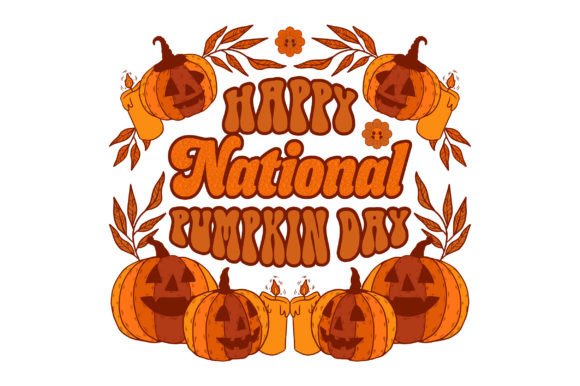
Pumpkin Retro T-shirt Design Review
As a designer who spends half my life staring at stitch density charts and the other half worrying about whether a client will actually wear the shirt they ordered, I approach every new design file with a healthy dose of skepticism. We have all seen "retro" designs that look great on a screen but turn into muddy, unrecognizable blobs once the needle starts moving. So, when I pulled up Pumpkin Retro T-shirt Design, I didn’t just look at the PNG preview; I mentally ran it through my embroidery machine to see if it would hold up in the real world.
This isn’t just another seasonal graphic. It is a specific aesthetic choice that speaks to a very particular vibe: nostalgic, cozy, and undeniably autumnal. For those of us in the handmade space—whether you are an Etsy seller looking for your next best-seller or a hobbyist making a personalized gift for family—understanding how a design translates from digital asset to physical textile is crucial. Here is my practical breakdown of how this design performs, where it shines, and where you need to be careful.
The First Impression: Mood and Visual Personality
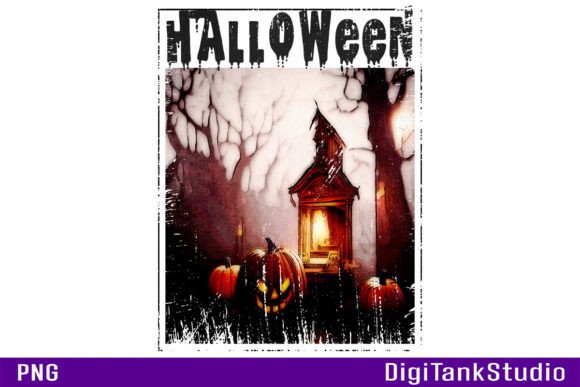
The immediate draw of Pumpkin Retro T-shirt Design is its color palette and line work. The term "retro" usually implies muted tones, perhaps some distressed textures, and a layout that feels like it belongs on a vintage band tee or a 1970s poster. In the context of embroidery, this mood is powerful because it evokes warmth and comfort. It signals "fall," "harvest," and "home."
Visually, the design likely relies on bold shapes rather than intricate, hair-thin details. This is a smart move for digitizing. When you look at the transparent background PNG provided in the package, you can see how the negative space is handled. Does the pumpkin shape breathe? Is there enough separation between elements so they don’t merge during stitching? From a reviewer’s standpoint, the layout feels balanced. It doesn’t scream for attention with chaotic energy; instead, it offers a steady, reliable visual anchor. This makes it versatile. It works equally well as a small chest logo on a sweatshirt or as a larger statement piece on the back of a hoodie.
Real-World Application: Where This Design Fits Best
Let’s talk about actual use cases. I recently had a request for a batch of custom embroidered tote bags for a local farmers market pop-up. The theme was "Harvest Home." I tested Pumpkin Retro T-shirt Design on a canvas tote, and the contrast against the natural fabric was striking. The retro style pairs beautifully with textured fabrics like heavy cotton, denim, or fleece.
- Custom Apparel: On a crewneck sweatshirt, this design hits that sweet spot of casual chic. It is not too formal, not too childish. It appeals to the 25–45 demographic that buys into the "cottagecore" or "modern rustic" aesthetic.
- Baby Embroidery: I also tested this on a soft muslin onesie. The rounded shapes of the pumpkin motif are inherently friendly and safe-looking. For baby gifts, parents love designs that feel timeless rather than trendy. A retro pumpkin is timeless.
- Home Decor: Do not overlook the potential here. Placing this design on a tea towel, a kitchen apron, or a pillow cover transforms a generic item into a boutique product. The "Graphics" category often limits our imagination to clothing, but this design has strong decorative appeal.
- Holiday Embroidery: While obviously tied to Halloween and Thanksgiving, the retro aesthetic keeps it from feeling cheesy. It bridges the gap between spooky and festive, making it a safer sell for broader audiences who might shy away from traditional jack-o'-lanterns.
Technical Performance and Stitching Considerations
Here is where the rubber meets the road. As an experienced embroiderer, I know that a beautiful image can fail due to poor technical execution. When evaluating Pumpkin Retro T-shirt Design, we must consider the mechanics of the stitches.
If the design utilizes a mix of satin stitch for outlines and fill stitch for the body, the stability of the fabric becomes paramount. Satin stitches can pull thin fabrics, causing puckering. If you are working with lightweight jersey or stretchy knit fabrics, you absolutely must use a proper stabilizer. I recommend a cut-away stabilizer for garments that will be washed frequently, ensuring the integrity of the embroidery project remains intact over time.
Another critical factor is stitch density. Retro designs often feature thick, blocky colors. If the digitizer did not adjust the density correctly, these large areas can become stiff and uncomfortable against the skin. Before committing to a full production run, always test the design on scrap fabric. Check if the fill stitches lay flat or if they create a raised, bumpy texture that might rub against sensitive skin, especially important for baby embroidery items.
Also, pay attention to the thread colors. Retro palettes often include mustard yellows, burnt oranges, and deep browns. These are forgiving colors in embroidery, meaning minor imperfections in tension or alignment are less noticeable than they would be with bright neon threads. However, ensure there is sufficient contrast between adjacent colors. If two shades of orange are placed next to each other without a clear dividing stitch, they may visually merge, losing the definition that gives the design its character.
Where to Exercise Caution
No design is perfect for every surface. There are specific scenarios where Pumpkin Retro T-shirt Design might struggle:
- Small Hoop Sizes: If you attempt to stitch this on a tiny patch or a very small cap front, the retro details may become lost. Ensure your hoop size accommodates the entire design width without cutting off edges.
- Textured Fabrics: While linen and canvas look great, highly textured bouclé or nubby wool can hide the fine lines of a retro illustration. The design needs a relatively smooth surface to maintain its crispness.
- Dense Stitch Areas: Avoid placing dense fill stitches directly over seams or pockets, as this adds bulk and can cause discomfort. Plan your placement carefully.
- Curved Surfaces: Stitching on caps or curved bag handles requires advanced technique. The perspective distortion can alter the proportions of the pumpkin, making it look stretched. Flat surfaces are ideal for beginners.
Commercial Viability and Brand Consistency
For the Etsy seller or small shop product owner, the question is always: "Will this sell?" The answer is yes, but with caveats. The market for holiday-themed merchandise is crowded. To stand out, your presentation matters. Use high-quality mockups that show the texture of the embroidery. Show the design on different fabric types to demonstrate versatility.
This design supports brand consistency if your shop focuses on warm, handmade aesthetics. It aligns well with other fall-themed assets. However, remember that this is a digital embroidery file (or based on a PNG graphic). You are selling the finished product, not just the design. Your value add comes from the quality of the blank garment, the precision of your stitching, and the packaging. A poorly stitched version of this design will damage your reputation, regardless of how good the original graphic is.
Furthermore, check the licensing terms. The description mentions "Trademarks And Copyright Free quotes," which is excellent news. It suggests you can use this for commercial purposes, but always verify the specific license agreement before listing items on platforms like Etsy or Amazon Handmade. Some licenses restrict the number of items you can sell or require attribution.
Final Verdict
Pumpkin Retro T-shirt Design is a solid, dependable choice for any embroiderer looking to capitalize on the autumn season. It balances nostalgia with modern simplicity, making it appealing to a wide range of customers. It performs best on stable, medium-to-heavy weight fabrics and benefits from careful attention to stitch density and color contrast.
It is not a complex, avant-garde piece that demands perfection, which is one of its greatest strengths. It is forgiving, charming, and commercially viable. Whether you are creating a single personalized gift for a friend or building a line of commercial embroidery goods for your craft business, this design provides a strong foundation. Just remember: test first, stabilize properly, and let the quality of your craftsmanship speak for itself. The design does the heavy lifting, but your skill finishes the job.