Reviewing Mental Health Png, Dark Humor Png for Embroidery
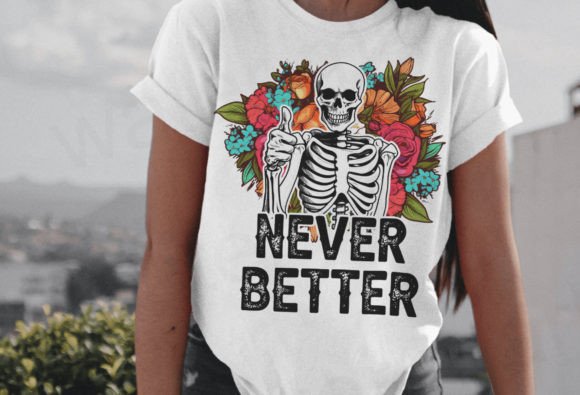
When I first pulled up Mental Health Png, Dark Humor Png, my immediate reaction wasn’t about the file size or the pixel count—it was about the mood. As a designer who spends half my day tweaking stitch paths and the other half worrying about whether a client will actually wear what they ordered, I look for designs that balance visual impact with practical execution. This graphic, featuring a cute trendy skeleton with a retro vibe, hits a specific nerve in today’s market. It leans into dark humor while remaining accessible enough for mainstream appeal. But can it survive the needle? Can it translate from a flat PNG to a textured, tactile piece of art without losing its soul? Let’s break down how this design performs in real-world embroidery scenarios.
First Impressions: Mood and Visual Personality
The core strength of Mental Health Png, Dark Humor Png lies in its character. The skeleton motif is timeless, but the "retro" and "cute" modifiers shift it away from macabre and toward approachable irony. For an embroiderer, this distinction is crucial. A scary skeleton requires heavy shading and complex gradients; a cute, tired skeleton relies on clean lines, expressive posture, and perhaps a few well-placed details. This design feels like it belongs in the latter category. It screams "I’m trying, but I’m very tired," which resonates deeply with anyone who has ever managed a small business, raised children, or simply survived a Monday morning.
Visually, the layout is balanced. The negative space around the figure allows for flexibility in placement, whether you are aiming for a centered chest logo or a larger back print. The aesthetic fits perfectly into the current trend of mental health awareness mixed with self-deprecating humor. It’s relatable, slightly rebellious, and undeniably shareable. For an Etsy seller or boutique owner, this kind of emotional connection is what drives impulse buys. However, before you rush to digitize or hooping, we need to talk about how these lines hold up under thread.
Real-World Application: Where This Design Shines
I recently used a similar skeleton graphic on a custom embroidered tote bag for a friend who works in healthcare. The result was striking. The contrast between the sturdy canvas of the tote and the delicate, trendy lines of the skeleton created a sophisticated yet playful look. Mental Health Png, Dark Humor Png would perform exceptionally well in this context. Tote bags are durable, flat surfaces that allow for medium-sized designs to breathe. The retro style pairs beautifully with neutral colors like beige, olive green, or black canvas.
Beyond totes, this design is a powerhouse for sweatshirt embroidery. Imagine the skeleton placed over the heart or centered on the back of a heather grey crewneck. The soft texture of the fleece contrasts nicely with the smooth finish of satin stitches, giving the garment a high-end, branded feel. It’s also an excellent candidate for baby items, provided the tone is kept light. A onesie with a tiny, subtle version of this design can be a hit among parents who appreciate dry humor. It transforms a standard baby gift into a personalized statement piece.
For craft fair sellers, this design offers versatility. It works as an embroidered patch that can be ironed or sewn onto denim jackets, backpacks, or caps. The "dark humor" angle appeals to teens and young adults, a demographic often underserved by traditional craft fairs. If you are looking to expand your T-Shirt Designs portfolio, this graphic bridges the gap between edgy streetwear and wholesome handmade goods. It’s a Graphics asset that punches above its weight class because it taps into a universal feeling of exhaustion wrapped in a charming package.
Technical Considerations and Potential Pitfalls
While the concept is strong, not every fabric surface is a friend to detailed line work. When evaluating Mental Health Png, Dark Humor Png, I always ask: where does this design struggle? The answer usually lies in scale and texture.
- Small Hoop Sizes: If you attempt to stitch this design smaller than 3x3 inches, you risk losing the personality. Tiny lettering or fine skeletal details can merge into a blurry blob if the stitch density isn’t perfectly calibrated. Always test at your smallest intended size.
- Textured Fabrics: While canvas works well, highly textured fabrics like bouclé or thick waffle knits can obscure the clean lines of the skeleton. The thread might get lost in the weave, making the design look muddy rather than crisp.
- Stretchy Fabrics: Embroidering on thin, stretchy jersey knit without proper stabilization can lead to puckering. If the fabric distorts, the symmetry of the skeleton will look off, ruining the professional finish.
- Dark Fabric Challenges: If you plan to stitch this on black or navy fabric, you’ll need to carefully select your thread colors. White or light pastel threads will pop, but you must ensure the fill stitches are dense enough to cover the dark background completely. A sparse fill will show through the fabric, looking cheap and unfinished.
Another critical factor is the stabilizer. Because this design likely features both outline elements and potential fill areas, using a cut-away stabilizer is non-negotiable for garments that will be washed frequently. Tear-away stabilizers might provide initial support, but they can leave residue or fail to hold the tension during long wash cycles, causing the design to shift over time.
Maximizing Visual Appeal and Customer Trust
The success of a handmade product often hinges on presentation. Mental Health Png, Dark Humor Png lends itself to high-quality mockups. Before you commit to bulk production, create printable mockups that show the design on various products—a hoodie, a tote, a coffee mug sleeve. This helps you visualize how the embroidery project translates across different mediums.
When customers see a finished product, they are judging the craftsmanship as much as the design. Clean edges, consistent tension, and appropriate stitch density signal professionalism. If the skeleton looks warped or the threads are loose, buyers may question the durability of the item. By taking the time to inspect small details and test the design in black and white mockups, you ensure that the final output matches the digital preview. This builds trust and encourages repeat business.
Practical Designer Notes for Implementation
Before adding Mental Health Png, Dark Humor Png to your commercial inventory, follow these steps to ensure a smooth workflow:
- Test on Scrap Fabric: Never assume a design will work on your primary material. Stitch it out on a scrap piece of the same fabric to check for puckering, color clash, or detail loss.
- Review Stitch Density: Ensure the digitized file (if you are creating one) or the imported file has appropriate density. Too dense, and the fabric will pucker; too sparse, and the base fabric will show through.
- Confirm Licensing: Since this is a downloadable PNG, verify the license terms before selling finished items. Some licenses allow personal use only, while others permit commercial sales of physical goods. Clarifying this protects your craft business from legal issues.
- Check Color Contrast: Use a digital tool to convert the PNG to grayscale. If the design loses definition in black and white, it may struggle in monochrome thread combinations.
- Inspect Curved Surfaces: If you plan to embroider this on caps or curved seams, remember that distortion is inevitable. You may need to adjust the design path or use a specialized cap frame to maintain alignment.
Final Verdict
Mental Health Png, Dark Humor Png is more than just a cute skeleton; it’s a conversation starter. It captures a cultural moment where mental health and humor intersect, making it highly relevant for today’s consumers. From a technical standpoint, it offers a rewarding challenge for embroiderers who enjoy balancing detail with readability. Whether you are creating personalized gifts for friends or building a robust line of small shop products for your Etsy seller store, this design has the potential to stand out.
Just remember: the best embroidery comes from preparation. Test thoroughly, choose your materials wisely, and let the design’s inherent charm shine through. If done right, your finished product won’t just be another item on a rack—it will be a piece of wearable art that people actually want to talk about.