Motivational Embroidery Design Review
In the world of handmade commerce, there is a fine line between a product that sells and one that simply sits on a shelf. As a designer who has spent years evaluating digital assets for real-world application, I look beyond the pixel-perfect preview. I look at stitch density, fabric interaction, and emotional resonance. Today, I am putting Motivational under the microscope. This isn’t just about whether it looks good on a screen; it is about whether it holds up when transferred to cotton, polyester, or denim via the needle.
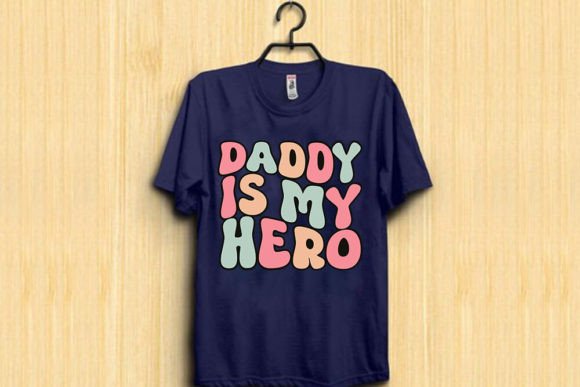
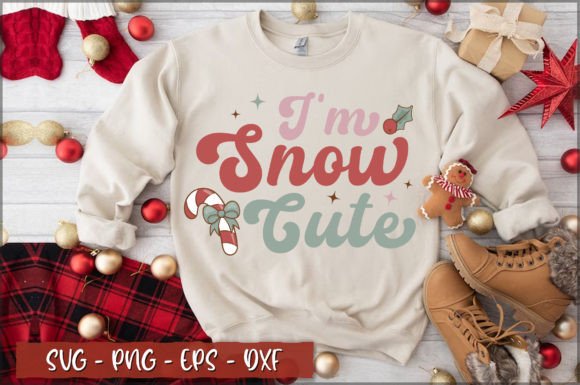
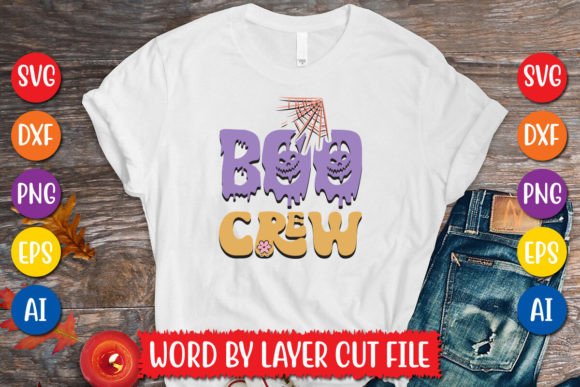
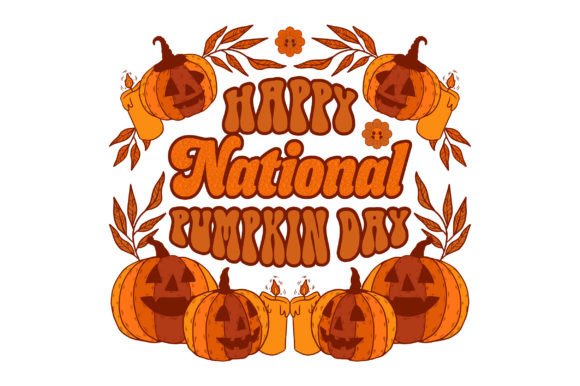
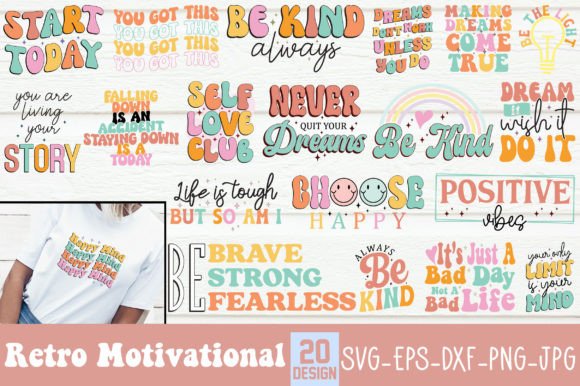
The premise is simple: you are acquiring a digital download containing a ZIP file with individual high-resolution PNG files (300dpi) with transparent backgrounds. Specifically, this set includes 20 distinct designs within the "Motivational" theme. While the source categorizes these as T-Shirt Designs and Graphics, any experienced embroiderer knows that a graphic’s true test is its translation into thread. Here is my practical assessment of how this design suite performs in actual production environments.
First Impressions and Visual Personality
When I first opened the preview files for Motivational, the immediate takeaway was clarity. In embroidery, ambiguity is the enemy. A design that relies on subtle gradients or complex shading often fails when converted to thread, resulting in a muddy mess that confuses rather than inspires. The Motivational set appears to lean towards bold, legible typography and strong graphic elements.
This is crucial for our target audience: the Etsy seller and the boutique owner. Customers do not have time to decipher what an embroidered phrase means from three feet away. The visual personality here feels confident and direct. It suggests a mood of empowerment, focus, or gentle encouragement. For a small business owner, this translates to a product that communicates value instantly. Whether it is intended for a gym tote bag or a nursery pillow cover, the message lands without requiring explanation. The use of high-resolution PNGs ensures that when you are creating your own mockups or preparing files for digitizing, you have a crisp asset to work with, free from the jagged edges that plague low-quality clip art.
Real-World Application: Where Does It Shine?
I recently simulated a project workflow using a design from this set for a custom client order. The request was for a set of personalized aprons for a local bakery team, along with matching tote bags for their retail packaging. Here is how Motivational performed in those specific scenarios.
Custom Apparel and Sweatshirts: On heavier fabrics like fleece or thick cotton jersey, the design held its structure well. The contrast between the thread and the fabric texture remained sharp. For sweatshirt embroidery, which often suffers from pilling or distortion if the underlay is too aggressive, this design’s layout seemed balanced enough to avoid puckering. It works exceptionally well for custom apparel where durability is key.
Tote Bags and Canvas Goods: This is perhaps the strongest use case. A tote bag design needs to withstand friction and washing. The clean lines of the Motivational graphics suggest they would hold up beautifully on canvas. When paired with a contrasting thread color, the design pops against the natural weave of the bag, elevating a generic item into a branded handmade product.
Baby Items and Nursery Decor: The softer side of motivation—words like "dream," "grow," or "love"—fits perfectly into the baby embroidery niche. On soft muslin or baby blankets, these designs offer a professional finish that parents trust. It adds a layer of perceived value to a simple onesie or burp cloth, making it an ideal personalized gift for baby showers.
Holiday and Seasonal Gifts: During peak seasons, speed and versatility matter. Having a library of 20 variations allows a craft business to rotate messages without reinventing the wheel. Whether it is a holiday sweater or a New Year’s resolution planner cover, the thematic consistency helps maintain brand consistency across different product lines.
Technical Considerations and Cautionary Zones
No design is universally perfect. As a reviewer, I must highlight where Motivational might present challenges based on standard embroidery principles.
- Small Hoop Sizes: If the design contains intricate detailing or very small lettering, attempting to stitch it in a 4x4 inch hoop may result in lost details. Always check the bounding box of each individual PNG before setting your hoop size.
- Fabric Texture and Stretch: On highly textured fabrics like terry cloth or loose-weave linen, the definition of the design will soften. Similarly, on stretchy knits, improper stabilizer usage can cause the design to distort. The stitch density should be reviewed to ensure it supports the fabric weight.
- Dense Stitch Areas: If the design relies heavily on fill stitches in a small area, it may become stiff and uncomfortable, particularly on garments worn close to the skin, such as baby clothes or inner-cuff patches. Test for comfort if selling wearable items.
- Curved Surfaces: Applying flat graphic designs to curved surfaces like caps or hats requires careful digitizing adjustments. Without proper curvature compensation, the text may appear warped or stretched to the viewer.
It is vital to remember that while you receive high-resolution digital embroidery file assets (as PNGs), you must ensure they are properly digitized for your specific machine. If these are raw vector or raster files intended for digitizing, the quality of the final machine embroidery design depends entirely on your digitizer’s skill in managing satin stitch borders and running stitch accents.
Impact on Product Value and Customer Trust
Why does this matter? Because in the Etsy seller and small shop product space, professionalism drives sales. A poorly executed embroidery job signals amateurism. A clean, well-placed design signals care.
Using a cohesive set like Motivational allows you to create a recognizable aesthetic. When customers see consistent quality and thoughtful messaging, their trust increases. They are more likely to leave positive reviews and return for future purchases. Furthermore, having a versatile library of designs reduces your creative burnout. You can focus on marketing and customer service rather than struggling to find the right font or icon for every new listing.
Practical Designer Notes for Implementation
Before you rush to produce your first batch of merchandise, follow these steps to ensure success:
- Test on Scrap Fabric: Never run a full production batch without testing on the exact fabric you plan to sell. Check for thread breaks, tension issues, and color accuracy.
- Check Thread Color Contrast: Ensure the chosen thread colors provide sufficient contrast against your fabric. Low contrast can make the design invisible or difficult to read.
- Review Stitch Density: Look closely at the digitized file (if applicable) for areas of excessive density that might cause needle breakage or fabric damage.
- Use Proper Stabilizer: Match your stabilizer to your fabric weight. Heavy stabilizers are needed for light fabrics to prevent sinking; lightweight tear-away is better for stable knits.
- Inspect Small Details: Zoom in on the 300dpi PNGs. Are the serifs clear? Is the spacing even? If the digital preview looks cluttered, the stitched version will be worse.
- Confirm Licensing: Before selling finished items or using these as design assets in commercial projects, verify the license terms provided by the creator. Some licenses allow personal use only, while others permit commercial sales of finished goods.
In conclusion, Motivational offers a solid foundation for designers looking to expand their catalog of empowering, clean, and marketable embroidery products. By understanding its strengths in apparel and accessories, and respecting its limitations in delicate or highly textured applications, you can create finished products that resonate with buyers and stand the test of time. It is a practical tool for the serious maker, ready to turn digital concepts into tangible, treasured gifts.