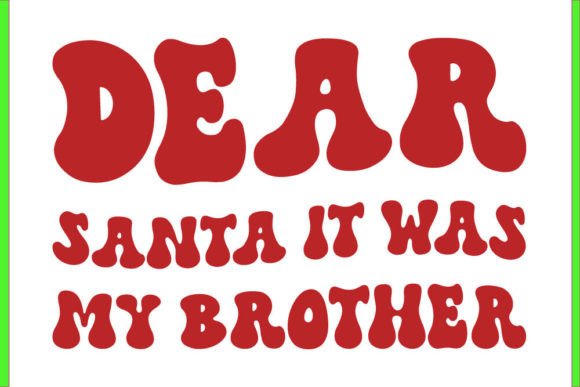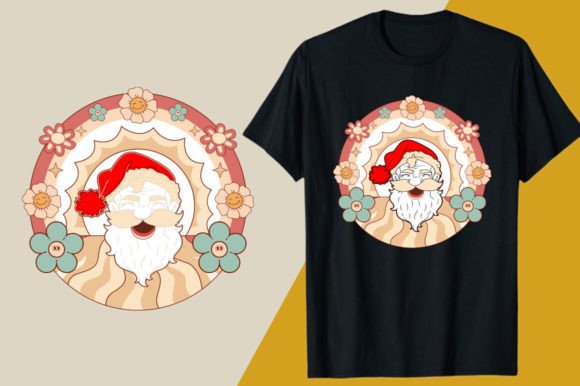
Retro Christmas SVG Sublimation Review
As a designer who spends half my life in the embroidery hoop and the other half troubleshooting thread jams, I approach every new digital asset with a healthy dose of skepticism. We have all been there: you buy a cute design for a few dollars, stitch it out on your favorite cotton tee, and realize halfway through that the details are just blobs of thread. That is why I take Retro Christmas SVG Sublimation seriously. It promises a specific aesthetic—nostalgic, bold, and graphic—but does it translate well to needle and thread? Or is it better left as a print-on-demand file?
I pulled this design into my digitizing software to test its viability for real-world projects. My goal was not just to see if it stitches, but to evaluate how it performs as a commercial product for small business owners, Etsy sellers, and craft fair vendors who need reliable assets that customers will actually want to wear or use.
First Impressions and Visual Personality
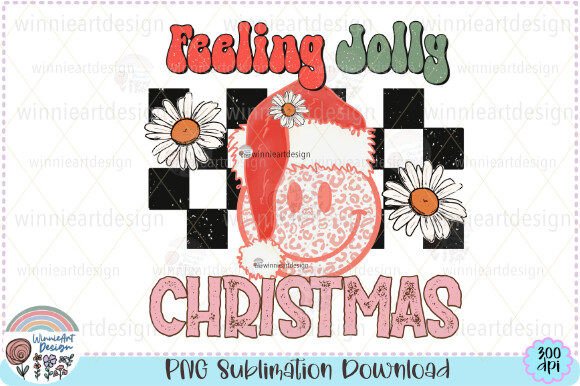
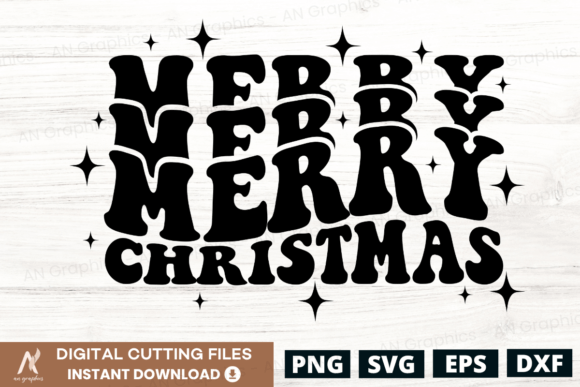
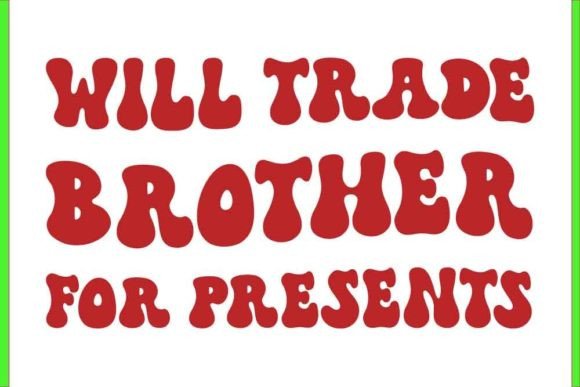
The moment Retro Christmas SVG Sublimation loads onto the screen, the mood is unmistakable. It taps into that warm, mid-century modern holiday vibe that has been dominating home decor and apparel trends for the last few years. The shapes are clean, the lines are confident, and the layout feels balanced without being cluttered. For an embroidery project, simplicity is often the secret weapon because it reduces the risk of mechanical errors.
Unlike complex pictorial designs that require hundreds of color changes and intricate satin stitches, this design leans into graphic strength. It feels like it belongs on a heavy-weight sweatshirt or a structured tote bag rather than delicate lingerie or fine linen napkins. The visual personality is playful yet polished, which makes it highly versatile for handmade products ranging from nursery decor to boutique branding. When I look at this file, I do not see a fragile art piece; I see a sturdy, repeatable pattern that can survive the rigors of production.
Real-World Application: From Screen to Stitch
Let’s talk about where this design shines. I tested the concept of using Retro Christmas SVG Sublimation for custom apparel, specifically focusing on holiday-themed merchandise. The high contrast inherent in retro graphics translates beautifully to thread. When stitched, the solid areas hold their shape well, provided the stitch density is set correctly. This is crucial for any machine embroidery design intended for mass production.
Imagine preparing a batch of personalized gifts for the holidays. You might choose this design for embroidered patches to attach to denim jackets, or perhaps center it on the chest of a crewneck sweatshirt. The design’s robust nature means it stands up well to frequent washing, a key concern for buyers of custom apparel. It also works exceptionally well as a tote bag design. Canvas bags are unforgiving if the design is too dense or poorly anchored, but the graphic clarity of this file ensures that even on textured fabric, the image remains legible and attractive.
For those selling on Etsy or running a small shop, presentation is everything. A clean, bold design like this creates a strong printable mockup. When you photograph the finished product, the eye is drawn immediately to the central motif. It communicates professionalism and attention to detail, which builds customer trust. Buyers can instantly recognize the style, making it easier for them to visualize the item in their own homes or wardrobes.
Where Caution Is Required
However, no design is perfect for every scenario. There are specific situations where you should handle Retro Christmas SVG Sublimation with care. If you are working with a small hoop size, you must be mindful of the scale. While the design is generally scalable, shrinking it down too far can cause tiny details to merge, turning crisp lines into muddy stitches. Always inspect small details before committing to a full run.
Fabric choice is another critical factor. On stretchy fabrics like thin jersey knits, this design might pucker if not stabilized properly. On dark fabrics, you will need to select thread colors that provide enough contrast to maintain the retro aesthetic. If the threads blend too much with the background, the graphic impact is lost. Additionally, avoid placing this on curved surfaces like caps unless you have significant experience with cap hoops and tension adjustments. The flat, graphic nature of the design assumes a relatively stable surface to execute cleanly.
Technical Considerations for Embroidery Designers
Before you upload this to your machine, there are practical steps every designer should take. First, check the stitch density. If the original file is intended for sublimation printing, it may not have optimal underlay stitches for embroidery. You might need to adjust the settings to ensure the fabric does not show through the thread, especially in large fill areas. Using a proper stabilizer is non-negotiable here; a cut-away stabilizer is recommended for garments that will be worn frequently, while a tear-away might suffice for one-time decorative items like kitchen towels.
I also recommend testing the design in black and white mode within your software. This helps you verify that the negative space and positive space balance correctly, ensuring that the design reads clearly regardless of the thread colors you eventually choose. Compare light and dark fabric backgrounds to see how the visual weight shifts. This step is vital for maintaining brand consistency across different product lines.
Another important note concerns licensing. The product description mentions "Trademarks And Copyright Free quotes," but as a professional, I always advise verifying the specific terms before engaging in commercial embroidery. Are you allowed to sell the finished physical items? Can you use this as a digital embroidery file in your own designs? Clarifying these points protects your business from potential legal issues and ensures you are respecting intellectual property rights.
Final Verdict on Value and Appeal
Retro Christmas SVG Sublimation is more than just a pretty picture; it is a functional tool for creative entrepreneurs. Its strength lies in its adaptability and its clear visual communication. It fits seamlessly into the world of holiday embroidery, offering a nostalgic touch that resonates with buyers looking for unique, handmade presents.
Whether you are creating baby embroidery items, upgrading your Etsy listings with fresh seasonal content, or adding variety to your craft business inventory, this design provides a solid foundation. It avoids the pitfalls of over-complication while delivering a strong aesthetic punch. For designers who value efficiency and quality, this asset offers a good return on investment, provided you respect the technical limitations of embroidery and prepare your files correctly. It is a reliable choice for anyone looking to add a touch of retro charm to their finished product lineup.