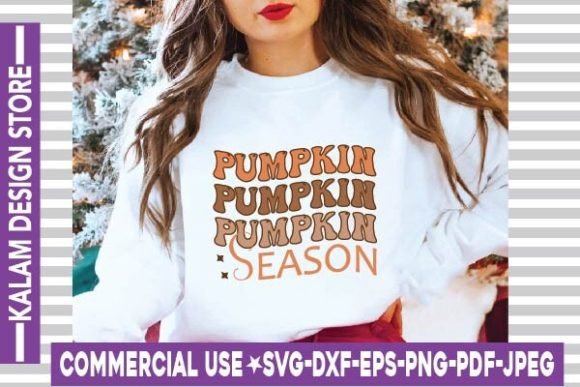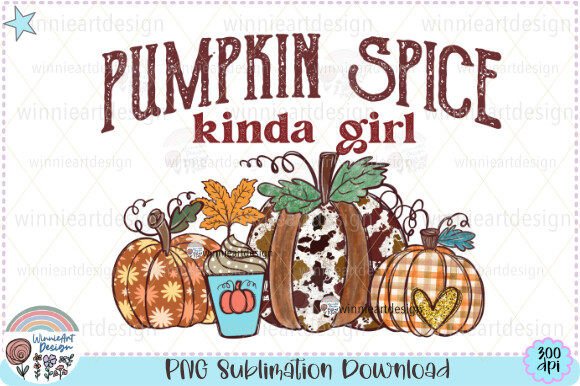
Retro Fall Pumpkin Spice Sublimation Review
As a designer who spends half my life staring at hoop frames and the other half trying to sell what comes out of them, I have developed a certain skepticism toward digital assets. We have all seen designs that look stunning in a high-resolution preview but fall apart under the needle. That is why I approach every new file with a critical eye, testing its potential not just as an image, but as a physical product. Recently, I came across the Retro Fall Pumpkin Spice Sublimation graphic, marketed primarily within T-Shirt Designs and Graphics categories. While it is sold as a sublimation-ready PNG, my primary interest lies in how this visual translates into the world of machine embroidery for craft business owners, Etsy sellers, and handmade shop operators.
The core question is simple: Does this design hold up when stitched? Can it drive sales on a busy holiday weekend? And does it fit seamlessly into a cohesive brand aesthetic? Here is my practical evaluation based on real-world application scenarios.
First Impressions and Visual Personality
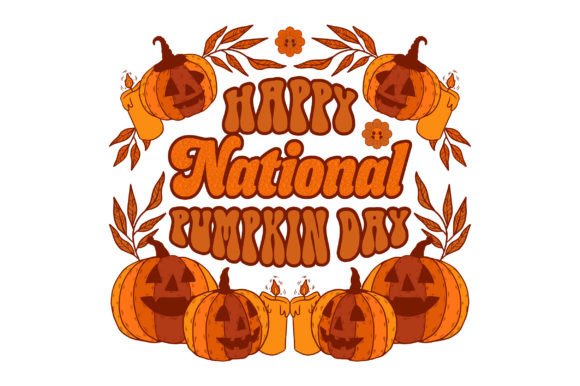
The moment you load the Retro Fall Pumpkin Spice Sublimation asset, the mood is immediately established. It taps into the cozy, nostalgic energy of autumn without feeling cluttered. The "retro" aspect suggests vintage typography or illustrative styles common in the 70s or 90s, which are currently trending heavily in the handmade market. For a designer, this is valuable because it bridges the gap between modern minimalism and warm, traditional comfort.
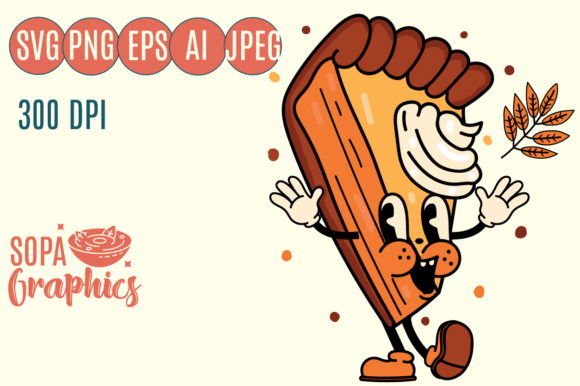
From a layout perspective, the design appears balanced. It likely features bold central elements—perhaps a stylized pumpkin, coffee cup, or seasonal lettering—that command attention. This is crucial for embroidered products where the viewer stands back to admire the piece. If the focal point is too small or lost in negative space, the product loses impact. The high resolution (300 dpi) ensures that edges remain crisp, which is a good starting point for digitizing or tracing, though one must remember this is a raster image, not a vector SVG. This means scaling requires care to avoid pixelation before any conversion to an embroidery file format.
Real-World Application: From Screen to Stitch
Let’s imagine a specific scenario. You are preparing inventory for your boutique shop for the October rush. You want to create a line of personalized gifts that feel premium yet approachable. The Retro Fall Pumpkin Spice Sublimation design seems tailor-made for custom apparel and home decor items. However, its true test is in its versatility across different mediums.
- Sweatshirt Embroidery: Autumn is synonymous with cozy knits and fleece. Placing this design on a crewneck sweatshirt offers a classic combination. The retro theme pairs well with soft textures, creating a tactile experience that customers love. The visual weight of the design should stand up against the bulk of the fabric, provided the stitch density is managed correctly.
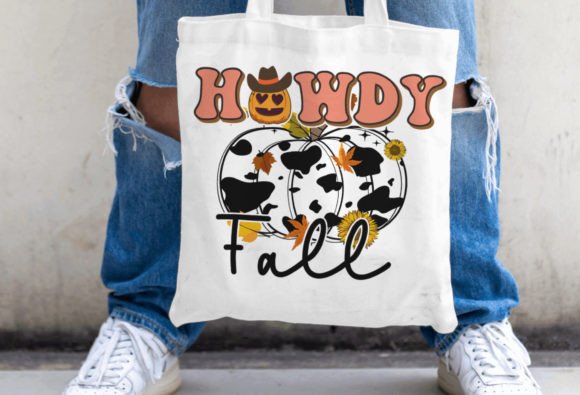
- Tote Bag Design: Canvas totes are staple items for craft fairs. A large-scale print or embroidery of this design can serve as a functional advertisement for your brand. Because the design is graphic-heavy, it reads well even from a distance on a crowded booth table.
- Baby Embroidery: There is a growing market for gender-neutral, nature-inspired baby items. If the design includes softer elements like leaves or muted tones, it could work beautifully on burp cloths or onesies. The key here is gentleness; the design must not feel too aggressive or loud for infant wear.
- Kitchen Towels and Aprons: For the home cook, this design hits the right emotional note. It suggests warmth and hospitality. An embroidered patch or direct-to-garment style transfer on a flour-sack towel adds a touch of professionalism that separates handmade goods from mass-produced imports.
When considering these applications, think about the embroidery project as a whole. How does the design interact with the garment's cut? A centered chest placement works for most adult apparel, while a pocket-sized version might be better for hats or small bags. The Retro Fall Pumpkin Spice Sublimation asset allows for flexibility, but you must decide on the scale that best highlights its details.
Technical Considerations and Potential Pitfalls
While the visual appeal is strong, practical execution requires caution. As a reviewer, I must highlight areas where things can go wrong if you do not plan ahead.
Fabric Texture and Stability: The success of any machine embroidery design depends heavily on the base material. Textured fabrics like bouclé or heavy denim can obscure fine details. Thin fabrics may pucker if the stitch density is too high. Before committing to a final product, always test the design on scrap fabric using the same thread colors and stabilizer you intend to use for the final item. This step is non-negotiable for maintaining quality control.
Hoop Size and Detail: Check the hoop size requirements of your digitized file. If the design includes tiny text or intricate corners, ensure your hoop is large enough to accommodate it without cutting off essential parts. Small details often get lost in satin stitch borders if the needle count is insufficient. Inspect the design in black and white mockups to ensure contrast levels remain clear when translated into thread.
Thread Colors and Contrast: The original PNG likely uses specific color palettes. When selecting thread colors, aim for high contrast against your fabric. On dark fabrics, light threads pop, but they require more coverage passes, increasing production time. On light fabrics, dark threads provide sharp definition. Avoid low-contrast combinations (like navy on black) unless you are aiming for a very subtle, tonal effect.
Stabilizer Selection: Using the proper stabilizer is critical. Cut-away stabilizers are generally recommended for stretchy fabrics like sweatshirts to prevent distortion over time. Tear-away stabilizers work well for woven cottons like tote bags or aprons. Incorrect stabilization leads to puckering, which ruins the professional look of your finished product.
Commercial Viability and Brand Consistency
For Etsy sellers and small shop products, consistency is key to building trust. If your brand is known for high-quality, durable goods, every element—from packaging to the embroidery itself—must reflect that standard. The Retro Fall Pumpkin Spice Sublimation design can enhance brand consistency if it aligns with your existing aesthetic. It feels timeless rather than trendy, which means it won’t look outdated next season.
Furthermore, consider the giftability of the items you create. Holiday gifts and wedding favors often seek a personal touch. Personalized embroidery adds significant perceived value. Customers are willing to pay more for a unique item that feels made specifically for them. By using a versatile design like this, you can offer customization options, such as adding names or dates, thereby increasing the average order value.
Practical Designer Notes for Success
- Test First: Never run a new design directly onto a customer’s item. Always perform a test stitch on similar fabric.
- Check Licensing: Ensure you have the rights to sell finished items made from this digital embroidery file. Commercial licenses vary by seller.
- Inspect Details: Zoom in on the source file. Are there jagged edges or blurry areas that might translate poorly to thread?
- Mockup Realistically: Use printable mockups to visualize the design on actual garments before purchasing materials.
- Verify Formats: Remember that this is a PNG file. You will need to digitize it yourself or hire a digitizer to convert it into a format compatible with your embroidery machine (e.g., PES, DST, EXP).
In conclusion, the Retro Fall Pumpkin Spice Sublimation asset shows great promise for designers looking to capitalize on the autumn season. Its visual strength lies in its nostalgic charm and adaptability across various handmade products. By paying close attention to technical details like stitch density, fabric choice, and stabilization, you can transform this graphic into a profitable, high-quality addition to your craft business inventory. It is not just a picture; it is a foundation for creating memorable, wearable art that resonates with customers seeking authenticity and warmth.