Retro Halloween SVG Design Review
When I am handed a new digital asset to evaluate for my embroidery studio, I do not look at it merely as a graphic. I look at it as a blueprint for stitches. I think about how the needle will travel, where the thread will bunch, and whether the final product will hold up to the wear and tear of daily life. Today, I am looking closely at the Retro Halloween SVG Design, a file that promises a specific nostalgic vibe while offering multiple formats for cutting and crafting. As an experienced designer who frequently bridges the gap between digital graphics and physical machine embroidery design execution, I want to share my practical assessment of this asset.
The First Impression: Mood and Visual Personality
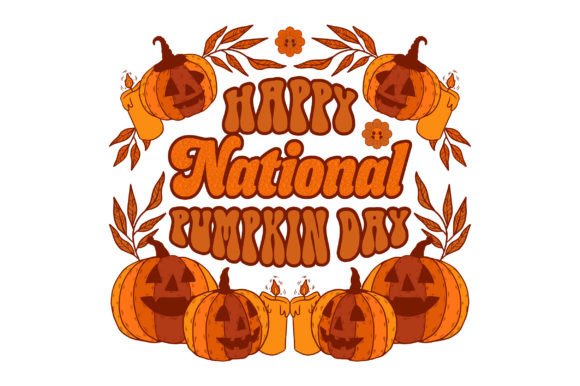
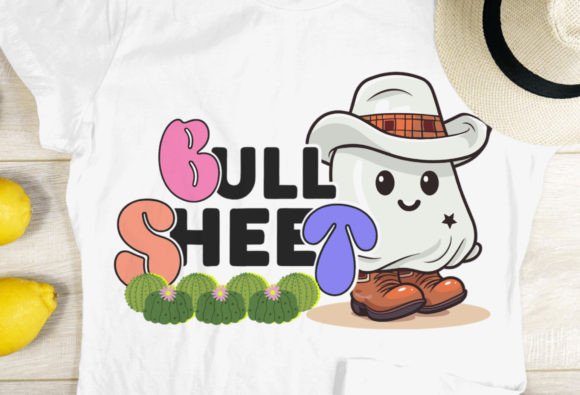
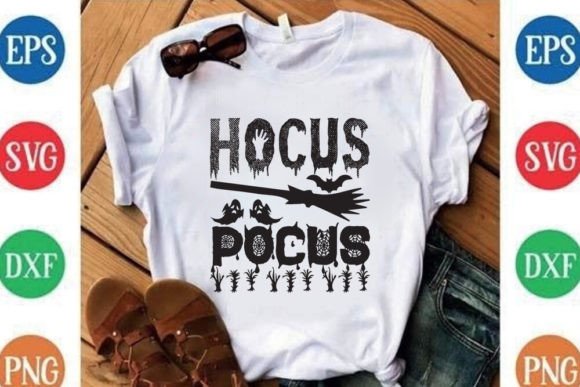
The moment you open the files associated with the Retro Halloween SVG Design, the aesthetic speaks loudly. It leans heavily into mid-century nostalgia, utilizing shapes and color palettes that evoke a sense of playful spookiness rather than genuine horror. This is crucial for the modern craft market. Most buyers today are looking for decor and apparel that feels cozy and vintage-inspired, not frightening. The visual personality here is warm, approachable, and highly recognizable.
From a layout perspective, the design appears balanced. For an embroiderer, balance is everything. If a design is too heavy on one side, the hoop becomes difficult to manage, and the fabric may pucker unevenly. This design seems to have a solid central anchor, which suggests it will stitch out cleanly without requiring excessive hooping adjustments. The retro theme naturally lends itself to bold outlines and simplified forms, which are inherently friendlier to embroidery than intricate, photorealistic details that often get lost in thread.
Real-World Application: Where This Design Shines
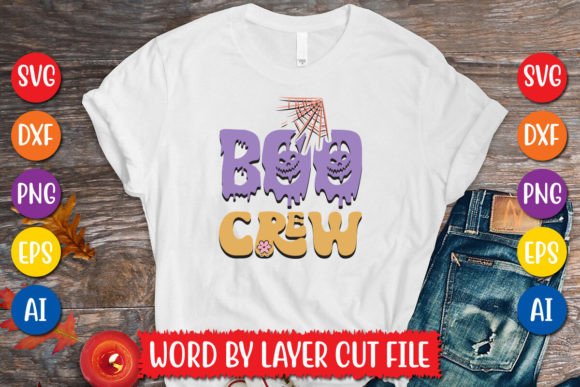
I recently considered using this design for a custom order involving personalized gifts for a local boutique’s holiday pop-up. The versatility of receiving four distinct files—SVG, PNG 300 dpi, EPS, and DXF—is a significant advantage. While the primary focus here is embroidery, having the DXF and SVG allows for seamless integration with cutting machines like Cricut or Silhouette. This means you can create hybrid products, such as an embroidered patch applied to a felt bag, or use the SVG for heat transfer vinyl accents on a sweatshirt embroidery project.
In terms of specific product applications, this T-Shirt Designs asset fits perfectly into several high-demand categories:
- Custom Apparel: The retro aesthetic pairs beautifully with heavyweight cotton tees or fleece sweatshirts. On a dark-colored garment, the design would pop if paired with contrasting thread colors.
- Holiday Embroidery: As a seasonal item, this design has a long shelf life leading up to October. It works well for embroidered patches that can be sewn onto denim jackets or backpacks.
- Baby Embroidery: The soft, non-threatening nature of the retro style makes it suitable for baby onesies or burp cloths, provided the detail level is not so fine that it requires a tiny hoop.
- Tote Bag Design: Canvas bags are a staple for Etsy sellers. This design offers a strong focal point for a front-center placement on a tote, creating an immediate handmade product appeal.
Technical Considerations for Stitching Clarity
Not all vector graphics translate equally well into embroidery files. When reviewing the Retro Halloween SVG Design, I had to consider how the lines and fills would behave under the needle. Retro designs often rely on thick strokes and blocky shapes. In embroidery, these translate to wide satin stitches or dense fill stitches.
If the design contains thin, hairline details, those areas may become muddy or break during stitching, especially on textured fabrics. I advise checking the original vector layers to ensure that any small decorative elements are substantial enough to hold their shape. If the design includes text, verify that the font weight is sufficient. Thin letters often require a running stitch outline to remain legible, adding time to your production process.
The inclusion of a 300 dpi PNG is particularly useful for creating printable mockups. Before committing to expensive fabric and thread, you can overlay this image onto photos of t-shirts, mugs, or pillows. This helps you visualize how the Graphics will interact with different backgrounds and lighting conditions. It is a low-risk way to test customer reaction before you even load the hoop.
Where to Exercise Caution
While this design is versatile, there are specific scenarios where it requires careful handling. Avoid placing complex versions of this design on curved surfaces like baseball caps unless you have a dedicated cap frame and experience with curvature distortion. The retro style relies on symmetry and proportion; warping these elements can ruin the nostalgic charm.
Furthermore, be mindful of the stitch density. If you plan to use this on stretchy knits or thin fabrics, a dense fill stitch can cause puckering. In these cases, switching to a lighter stitch type or using a cut-away stabilizer is essential. Also, consider the background fabric. On dark fabrics, light thread colors might get lost if the design lacks sufficient coverage. Always perform a test run on scrap fabric that matches the texture and weight of your final product.
Business Value and Brand Consistency
For small shop product creators, consistency is key to building trust. A design that looks professional and intentional enhances the perceived value of your finished product. The Retro Halloween SVG Design strikes a balance between trendy and timeless, which helps your inventory stay relevant beyond just the Halloween season. It appeals to the creative entrepreneur who wants to offer unique items that stand out in a crowded marketplace.
When listing this on platforms like Etsy, the ability to show both the digital file and the physical result is powerful. Use the PNG for clean previews, but always include real photos of the embroidery if possible. Customers want to see the texture of the thread and the quality of the finish. This transparency builds customer trust and reduces return rates caused by mismatched expectations.
Final Designer Notes
Before integrating the Retro Halloween SVG Design into your commercial workflow, take these practical steps:
- Test on Scrap Fabric: Never assume a design will stitch perfectly on the first try. Test it on the actual fabric you intend to sell.
- Check Licensing: Ensure you have the correct rights for commercial embroidery if you plan to sell finished goods. Digital assets often have specific restrictions regarding resale.
- Review Stitch Types: Determine if the design uses satin, fill, or running stitch effectively. Adjust the settings in your embroidery software to optimize thread usage and minimize trimming.
- Compare Backgrounds: View the design against both light and dark backgrounds to ensure contrast is maintained.
In conclusion, the Retro Halloween SVG Design is a strong candidate for designers looking to add a touch of vintage flair to their embroidery project portfolio. Its multi-format availability supports both digital and physical creation methods, making it a flexible tool for craft business owners. By paying attention to stitch density, fabric choice, and proper stabilization, you can transform this vector graphic into a high-quality, marketable piece that resonates with customers seeking authentic, handmade charm.